


Problems and Prospects of Artificial Intelligence Application in the Investigator's Activities

https://doi.org/10.17803/1994-1471.2026.183.2.150-164
Abstract
The author studies the possibilities of using information technologies in the production of preliminary investigations. The conclusion is substantiated that any neural network is capable of operating only with formalized, mathematically represented data. Artificial intelligence cannot possess the moral qualities that are so necessary for a law enforcement officer in criminal proceedings. At the same time, the advantages of artificial intelligence in relation to forensic methods and evidence in criminal cases are described. The proposed approach can be implemented only after resolving the conceptual and normative problems in the current model of criminal procedure and preliminary investigation. These are examined considering the experience of the pre-revolutionary and Soviet periods of our country’s development, and are analyzed through the lens of the mixed and adversarial types (forms) of criminal procedure. Consequently, a conclusion is drawn regarding the danger of shaping the developmental trajectory of Russian criminal proceedings within the framework of the Anglo-Saxon framework, and the expediency of developing and implementing an authentic model of preliminary investigation (and criminal procedure as a whole) in the spirit of Continental legal traditions. Only after this should the capabilities of artificial intelligence be applied to forensic methods and to the investigator’s evidentiary work, which will serve to improve the quality of his work and strengthen the guarantees of fair justice in general.
About the Author
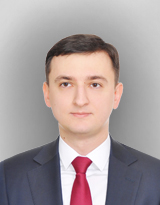
M. A. Malina
Southern Federal University
Russian Federation
Russian Federation
Maksim A. Malina, Cand. Sci. (Law), Associate Professor
Faculty of Law; Department of Criminal Procedure and Criminalistics
Rostov-on-Don
References
1. Vasilev O. L. Yavlyaetsya li spravedlivost ugolovno-protsessualnym printsipom? // Gosudarstvo i pravo. — 2017. — № 12. — S. 64–71.
2. Viktorskiy S. I. Russkiy ugolovnyy protsess. — M., 1997. — 448 s.
3. Gadzhiev G. A., Voynikanis E. A. Mozhet li robot byt subektom prava (poisk pravovykh norm dlya regulirovaniya tsifrovoy ekonomiki)? // Pravo. Zhurnal vysshey shkoly ekonomiki. — 2018. — № 4. — S. 24–48.
4. Golovko L. V. M. S. Strogovich i «iskusstvennyy intellekt»: o sovremennoy reinkarnatsii starykh teoriy i ikh eticheskoy nichtozhnosti // Sudebnaya vlast i ugolovnyy protsess. — 2021. — № 3. — S. 29–36.
5. Golovko L. V. Spor ob istine — eto spor o vektore razvitiya rossiyskogo ugolovnogo protsessa // Sudya. — 2014. — № 10. — S. 4–10.
6. Zykov S. V. Problema subektnosti iskusstvennogo intellekta // Aktual’nye problemy rossijskogo prava. — 2024. — № 2. — S. 131–139.
7. Ilin I. A. O sushchnosti pravosoznaniya. — M.: Rarog, 1993. — 235 s.
8. Kleandrov M. I. O napravleniyakh sovershenstvovaniya mekhanizma sudebnoy vlasti v obespechenii spravedlivosti pravosudiya // Gosudarstvo i pravo. — 2021. — № 3. — S. 7–23.
9. Koni A. F. Nravstvennye nachala v ugolovnom protsesse. Izbrannye proizvedeniya. — M.: Gosyurizdat, 1956. — 888 s.
10. Kurs ugolovnogo protsessa / pod red. d. yu. n., prof. L. V. Golovko. — M.: Statut, 2021. — 1 328 s.
11. Malina M. A. Ispolzovanie iskusstvennogo intellekta pri otpravlenii pravosudiya po ugolovnym delam: problemy i perspektivy // Gosudarstvo i pravo. — 2022. — № 1. — S. 91–97.
12. Malina M. A. Nravstvennye osnovaniya rossiyskogo ugolovnogo protsessa // Gosudarstvo i pravo. — 2024. — № 1. — S. 141–146.
13. Malina M. A. Tsifrovizatsiya rossiyskogo ugolovnogo protsessa: iskusstvennyy intellekt dlya sledovatelya ili vmesto sledovatelya // Rossiyskiy sledovatel. — 2021. — № 2. — S. 29–32.
14. Romanov S. V. Obespechenie polnoty sudebnoy vlasti v ugolovnom sudoproizvodstve // Velikaya reforma: k 150-letiyu Sudebnykh ustavov. T. 2: Ustav ugolovnogo sudoproizvodstva. — M.: Yustitsinform, 2014. — 340 s.
15. Savenkov A. N. Voprosy sovershenstvovaniya ugolovnogo prava, protsessa i ugolovno-pravovoy politiki // Gosudarstvo i pravo. — 2018. — № 3. — S. 5–13.
16. Sluchevskiy V. K. Uchebnik russkogo ugolovnogo protsessa. Sudoustroystvo — sudoproizvodstvo. — SPb., 1913. — 670 s.
17. Strogovich M. S. Izbrannye trudy : v 3 t. T. 3: Teoriya sudebnykh dokazatelstv. — M.: Nauka, 1991. — 300 s.
18. Strogovich M. S. Kurs sovetskogo ugolovnogo protsessa. — M., 1958. — 703 s.
19. Foynitskiy I. Ya. Kurs ugolovnogo sudoproizvodstva. T. 1. — SPb.: Alfa, 1996. — 552 s.
20. Channov S. E. Robot (sistema iskusstvennogo intellekta) kak subekt (kvazisubekt) prava // Aktual’nye problemy rossijskogo prava. — 2022. — № 12. — S. 94–109.
21. Balkin J. M. The Path of Robotics Law / J. M. Balkin. — California: Yale Law School, 2015. — 16 p.
22. Calo R. Robotics and the Lessons of Ciberlaw // California Law Review. — 2015. — Vol. 103. — № 3. — P. 513–563.
23. Higgins T. Elon Mask Lays Out Worst-Case Scenario for AI Threat // Wall Street Journal. — 2017. — Vol. 7. — P. 19–23.
24. Marklund F. Effects of Early Release from Prison Using Electronic Tagging in Sweden // Journal of Experimental Criminology. — 2009. — Vol. 5. — No. 1. — P. 41–61.
25. Renzema M. Can Electronic Monitoring Reduce Crime for Moderate to High-Risk Offenders? // Journal of Experimental Criminology. — 2005. — Vol. 1. — No. 2. — P. 215–237.
Review
For citations:
Malina M.A. Problems and Prospects of Artificial Intelligence Application in the Investigator's Activities. Actual Problems of Russian Law. 2026;21(2):150-164. (In Russ.) https://doi.org/10.17803/1994-1471.2026.183.2.150-164
Views:
385
JATS XML




 Email this article